



How Long Is IOP?
Intensive Outpatient Programs (IOPs) offer a structured, supportive level of care for individuals experiencing mild to moderate mental health or substance use challenges without requiring 24-hour hospitalization. At Lifescape Recovery, our IOP is designed to help clients transition from more intensive levels of care (such as Partial Hospitalization Programs) or to serve as a standalone treatment track when inpatient services are not required. Whether you’re addressing co-occurring disorders, addiction, or other mental health concerns, understanding “How long is IOP” and what California IOPs entail can help you make an informed decision about your recovery journey.

What Is an Intensive Outpatient Program (IOP)?
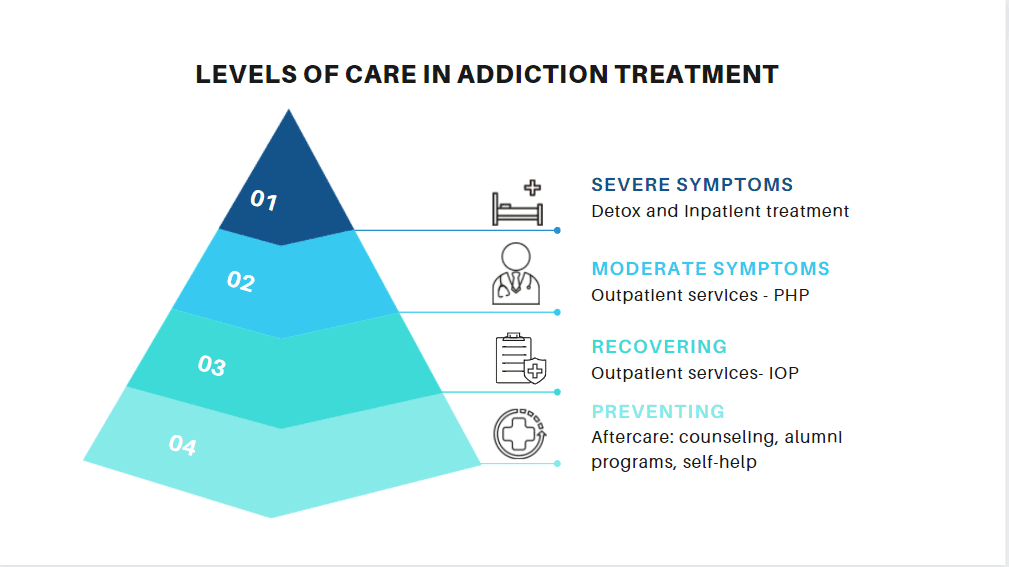
An IOP is a structured, non-residential treatment model that provides more intensive support than standard outpatient therapy but allows clients to continue living at home and fulfilling daily responsibilities such as work, school, or family obligations. Unlike inpatient or residential programs, IOP participants attend scheduled therapy sessions—typically ranging from 3 to 4 hours per day, 3 to 5 days a week—while returning home each evening. This balance of treatment intensity and flexibility makes IOP an ideal option for those who:
- Need consistent support and accountability but do not require 24-hour medical supervision.
- Are stepping down from a higher level of care (e.g., Partial Hospitalization Program) once their symptoms are stabilized.
- Require more structure than traditional outpatient therapy due to co-occurring conditions or moderate symptom severity.
At Lifescape Recovery, our IOP includes a comprehensive array of therapeutic modalities—group therapy, individual therapy, medication management, case management, Acceptance and Commitment Therapy (ACT), Cognitive Behavioral Therapy (CBT), psychodynamic therapy, and solution-focused brief therapy—tailored to each client’s unique needs. We also offer telehealth options, allowing individuals across California to access care virtually.
How Long Is IOP?
Daily and Weekly Structure
- Hours per Day: Most Lifescape Recovery’s IOP sessions run approximately 3–4 hours per day.
- Days per Week: Clients attend 3–5 days a week, depending on clinical recommendations and insurance coverage.
- Flexibility: we provide morning, noon and evening options at our facility
This schedule ensures that participants receive consistent, frequent contact with their treatment team while preserving time for work, school, and family obligations.
Total Program Length (Weeks and Months)
While Lifescape’s website emphasizes daily and weekly intensity, IOP programs generally span 8 to 12 weeks. This timeframe aligns with national standards for IOPs addressing both mental health and substance use disorders. However, the exact duration can vary based on individual factors, including:
- Severity of Symptoms or Addiction: Clients with more complex needs may require an extended IOP stay.
- Progress in Treatment: Clinical teams perform periodic assessments to gauge progress, adjusting the length of stay accordingly.
- Insurance Limitations and Medical Necessity: Insurance providers often authorize a set number of weeks, while extensions require demonstrated clinical need.
Most IOPs last 8–12 weeks, with sessions three to four times weekly totaling 2–4 hours per session, clients typically spend 4–9 hours weekly for 3–4 days over several weeks.
For some individuals—especially those with severe co-occurring mental health and substance use issues—extended IOPs (beyond 12 weeks) may be medically indicated. In California, as long as a medical director or Licensed Practitioner of the Healing Arts (LPHA) deems continued treatment “medically necessary,” IOP length can be extended accordingly.
What to Expect in Lifescape Recovery’s IOP
- Comprehensive Intake Assessment
- A licensed clinician evaluates the client’s psychiatric history, dual-diagnosis concerns, family dynamics, and social determinants of health.
- Individualized Treatment Plan
- Depending on clinical findings, your plan may include a combination of:
- Group Therapy: Peer-support groups focusing on relapse prevention, coping skills, and psychoeducation.
- Individual Therapy: One-on-one sessions targeting underlying issues (e.g., trauma, depression, anxiety).
- Medication Management: Psychiatrist consultations to ensure safe and effective pharmacotherapy.
- Family or Couples Counseling: Involving loved ones to strengthen support systems.
- Depending on clinical findings, your plan may include a combination of:
- Therapeutic Modalities
- We employ evidence-based interventions such as Cognitive Behavioral Therapy (CBT), Dialectical Behavioral Therapy (DBT), Acceptance and Commitment Therapy (ACT), psychodynamic therapy, and solution-focused brief therapy.
- Clients are encouraged (but not required) to participate in 12-step or mutual-aid meetings outside of scheduled IOP to reinforce recovery.
- Flexible Scheduling
- Morning, afternoon, or evening cohorts allow clients to attend sessions around work or school schedules.
- Virtual cohort options ensure continuity if travel or transportation issues arise.
- Periodic Clinical Review
- Weekly team meetings evaluate progress, allowing clinicians to adjust intensity or suggest transitions to lower- or higher-levels of care as appropriate.
Benefits of California IOPs at Lifescape Recovery
- Clinical Expertise: Our team comprises board-certified psychiatrists, licensed therapists (LCSWs, LMFTs), and case managers—all trained to work with complex, co-occurring disorders.
- Holistic Approach: We address the mind, body, and environment by offering therapy, medication management, case monitoring, and connections to community resources (e.g., sober living, vocational support).
- Flexible Telehealth Delivery: For Californians outside Los Angeles, telehealth IOP eliminates geographic barriers and adheres to DHCS regulations for virtual care.
- Insurance and Payment Options: We accept most major insurance carriers (including Medi-Cal) and work with clients to explore financing if needed.
- Aftercare and Alumni Support: Upon graduation from IOP, clients can join our Alumni Program for ongoing peer support, once-weekly check-ins, and referrals to community groups—maintaining momentum in long-term recovery.

Daily and Weekly Structure Of IOP Programs
-
Hours per Day: Most LifeScape IOP sessions run approximately 3–4 hours per day.
-
Days per Week: Clients attend 3–5 days a week, depending on clinical recommendations and insurance coverage. lifescaperecovery.comlifescaperecovery.com
This schedule ensures that participants receive consistent, frequent contact with their treatment team while preserving time for work, school, and family obligations.
Published: April 23, 2025
Last Updated: June 02, 2025




Published: April 01, 2026
IOP for OCD in Los Angeles, California
Summary: An intensive outpatient program (IOP) for OCD provides structured, evidence-based treatment several hours per day, multiple days per week, specifically designed for individuals whose OCD symptoms are moderate to severe and have not responded adequately to weekly therapy alone. IOP delivers the frequency of Exposure and Response Prevention (ERP) practice that OCD treatment requires […]
Read more
Published: March 24, 2026
ERP Therapy for OCD: How Exposure and Response Prevention Works
Summary: Exposure and Response Prevention (ERP) is the most effective evidence-based psychotherapy for obsessive-compulsive disorder. Unlike general talk therapy or standard CBT, ERP specifically targets the obsession-compulsion cycle by systematically exposing patients to the thoughts, images, situations, or objects that trigger their obsessions while helping them resist performing the compulsive behavior or mental ritual that […]
Read more
Published: March 06, 2026
Pure O OCD: Symptoms, Mental Compulsions, and Treatment in Los Angeles
Summary: Pure O OCD (purely obsessional obsessive-compulsive disorder) is a widely used term describing a presentation of OCD in which compulsions are primarily internal (mental rituals, rumination, reassurance-seeking, mental reviewing) rather than visible physical behaviors like hand-washing or checking. Despite the name, Pure O is not truly “purely obsessional.” Research consistently shows that individuals with […]
Read more