



OCD vs. Autism: Understanding the Differences
Obsessive-compulsive disorder (OCD) and autism spectrum disorder (ASD) are often confused with one another. Both can involve repetitive behaviors, rigid routines, sensory sensitivities, and distress when things feel “off.” From the outside, the overlap can look striking. But in clinical treatment, the why behind those behaviors matters just as much as the behaviors themselves.
At Lifescape Recovery in Los Angeles, California we frequently work with individuals who arrive carrying one diagnosis, questioning another, or discovering—sometimes for the first time—that they may be dealing with both. Understanding the difference between OCD and autism isn’t about labels. It’s about getting the right kind of support, especially when anxiety, depression, trauma, or substance use are also part of the picture.

Why OCD and Autism Are Commonly Confused
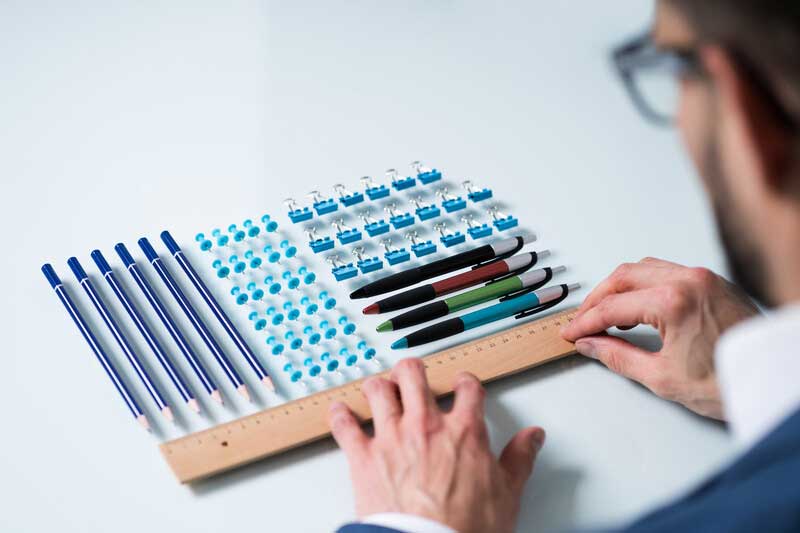
The confusion usually starts with repetition. Someone may wash their hands repeatedly, follow strict routines, or become distressed when plans change. They may need things to feel “just right,” struggle with uncertainty, or feel overwhelmed by sensory input. These experiences can exist in both OCD and autism—but for very different reasons.
In treatment, we look beyond what a person is doing and focus on what’s driving it internally.
How OCD Works: Anxiety-Driven Cycles
In obsessive-compulsive disorder, behaviors are typically driven by intrusive thoughts and intense anxiety.
A person with OCD doesn’t usually want to perform compulsions. The behavior exists to neutralize fear, discomfort, or a sense that something terrible might happen if the action isn’t completed. The relief is temporary, and the cycle quickly returns.
At Lifescape Recovery, clients with OCD often describe feeling mentally trapped—aware that their fears are irrational, yet unable to stop the behavior without overwhelming distress. This internal conflict is a hallmark of OCD and is often accompanied by high levels of anxiety, shame, or exhaustion.
In treatment, this distinction matters. OCD care focuses on breaking the anxiety-compulsion loop, not reinforcing it.
How Autism Presents Differently
Autism spectrum disorder is neurodevelopmental, not anxiety-driven in the same way.
Repetitive behaviors or routines in autism are often regulating, comforting, or necessary for managing sensory input and emotional balance. These behaviors are usually not experienced as intrusive or unwanted. Instead, distress arises when routines are disrupted or the environment becomes overwhelming.
Autistic individuals may also experience differences in social communication, emotional processing, and sensory sensitivity that are not explained by anxiety alone.
At Lifescape Recovery, when autism is part of the clinical picture, treatment focuses on support and accommodation, not elimination of traits. The goal is not to “fix” neurodivergence, but to help individuals navigate stress, relationships, and co-occurring mental health challenges in a way that works for them.
When OCD and Autism Overlap
It’s also important to say this clearly: OCD and autism can co-occur.
In fact, research and clinical experience show that people on the autism spectrum are at higher risk for anxiety disorders, including OCD. In these cases, distinguishing which behaviors stem from autism and which are driven by OCD becomes essential.
For example, a routine that provides sensory comfort may not need to be challenged. A ritual performed to neutralize fear likely does.
This is where nuanced assessment and individualized care matter most.
Why Misdiagnosis Can Impact Recovery
When OCD is mistaken for autism, compulsions may go untreated, allowing anxiety to intensify. When autism is mistaken for OCD, treatment may focus on eliminating behaviors that are actually adaptive or regulating, creating more distress instead of less.
At Lifescape Recovery, careful clinical assessment helps prevent these mismatches—especially for clients who also struggle with depression, trauma, or substance use.
In dual-diagnosis treatment, accuracy matters. Treating the wrong driver can stall progress or increase frustration.
Treatment at Lifescape Recovery: Individualized, Not Assumptive
Lifescape Recovery approaches both OCD and autism through an individualized, evidence-based lens.
Clients receive care that takes into account:
• the origin and function of behaviors
• co-occurring mental health conditions
• trauma history
• substance use patterns, when present
• real-world stressors and environments
For OCD, treatment often focuses on reducing anxiety-driven cycles and increasing tolerance for uncertainty. For autism, care emphasizes emotional regulation, coping strategies, and support for sensory and social needs. When both are present, treatment is carefully balanced—never one-size-fits-all.
This approach reflects Lifescape’s broader philosophy: effective treatment starts with understanding the person, not just the diagnosis.
Why This Distinction Is Especially Important in Dual Diagnosis Care
Both OCD and autism can increase vulnerability to substance use—not because of moral failure, but because substances may temporarily relieve anxiety, sensory overload, or emotional strain.
If the underlying condition is misunderstood, substance use treatment alone may not be enough. Lifescape Recovery integrates mental health and addiction treatment so that recovery addresses why substances became necessary in the first place.
If You’re Unsure Which Fits—You’re Not Alone
Many adults come to treatment without a clear answer to whether OCD, autism, both, or neither apply. That uncertainty is common—and it’s okay.
The purpose of treatment isn’t to force a label. It’s to reduce suffering, improve functioning, and help people live with more clarity and stability.
At Lifescape Recovery, clients don’t need to arrive with a diagnosis fully figured out. That understanding develops through thoughtful assessment and collaborative care.

If you or someone you care about is struggling with anxiety, rigid patterns, sensory overwhelm, or substance use—and you’re unsure whether OCD, autism, or both are part of the picture—support is available.
Lifescape Recovery offers comprehensive, integrated treatment designed to meet people where they are and help them move forward with insight and compassion.
Understanding the difference between OCD and autism isn’t about choosing a category. It’s about choosing care that actually fits.
Published: January 26, 2026
Last Updated: February 20, 2026




Published: May 05, 2026
Dual Diagnosis IOP in Los Angeles: Treating Addiction and Mental Health Together
Summary: Dual diagnosis refers to the co-occurrence of a substance use disorder and at least one mental health condition. According to the National Institute on Drug Abuse, approximately half of individuals with a substance use disorder also experience a co-occurring mental health condition, including depression, anxiety, PTSD, bipolar disorder, and personality disorders. Treating addiction without […]
Read more
Published: April 28, 2026
Bipolar Disorder Treatment in Los Angeles: IOP and PHP Programs
Summary: Bipolar disorder affects approximately 4.4% of U.S. adults at some point in their lives, according to the National Institute of Mental Health. It is one of the most complex mood disorders to treat because it involves cycling between depressive episodes, manic or hypomanic episodes, and mixed episodes, each requiring different therapeutic and pharmacological approaches. […]
Read more
Published: April 01, 2026
IOP for OCD in Los Angeles, California
Summary: An intensive outpatient program (IOP) for OCD provides structured, evidence-based treatment several hours per day, multiple days per week, specifically designed for individuals whose OCD symptoms are moderate to severe and have not responded adequately to weekly therapy alone. IOP delivers the frequency of Exposure and Response Prevention (ERP) practice that OCD treatment requires […]
Read more