



IOP Program for Depression
Summary: Depression is one of the most common mental health conditions in the United States, affecting an estimated 21 million adults each year. It causes persistent changes in mood, energy, motivation, sleep, and concentration that interfere with daily functioning, work, and relationships. IOP program for depression provides structured, evidence-based treatment — including individual therapy, group therapy, psychoeducation, and medication management — several hours per day, multiple days per week, without requiring patients to reside at a treatment facility. Lifescape Recovery provides IOP for depression both in person at 1212 North Vermont Ave, Los Angeles, CA, and virtually through a HIPAA-compliant telehealth platform for individuals throughout California. Our depression Intensive Outpatient Prpgram uses Cognitive Behavioral Therapy (CBT), Dialectical Behavior Therapy (DBT), Acceptance and Commitment Therapy (ACT), motivational interviewing, and psychiatric medication management to address the biological, psychological, and social factors driving each patient’s depression. Morning, afternoon, and evening scheduling tracks are available, and most private insurance plans are accepted. Admissions is available 24/7.

Why IOP for Depression?
Depression is more than temporary sadness. Major depressive disorder causes persistent symptoms — low mood, loss of interest in activities, fatigue, difficulty concentrating, changes in appetite and sleep, feelings of worthlessness, and in severe cases, thoughts of self-harm — that last for weeks or months and significantly impair a person’s ability to function. According to the National Institute of Mental Health (NIMH), depression is among the most treatable mental health conditions, with the combination of psychotherapy and medication producing the strongest outcomes.
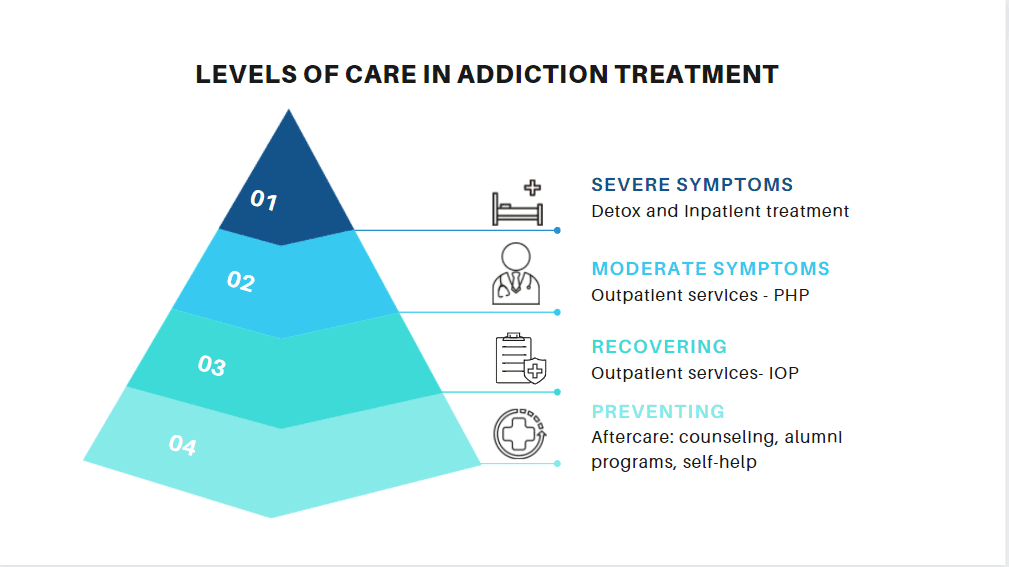
An Intensive Outpatient Program (IOP) provides the clinical structure and therapeutic consistency that depression treatment requires, without the total life disruption of inpatient or residential care. IOP for depression is appropriate for individuals whose symptoms are moderate to severe but medically stable, those entering treatment for the first time, and those stepping down from a higher level of care such as PHP, residential, or inpatient treatment. The program allows patients to receive evidence-based depression treatment while continuing to manage work, school, and family responsibilities.
How Lifescape Recovery’s Depression IOP Works
Lifescape Recovery’s IOP for depression provides 3 hours of structured clinical programming per day, 3 to 5 days per week. Each treatment day includes a combination of individual therapy, process-oriented group therapy, psychoeducation focused on understanding and managing depression, and skills development.
Our clinical team develops individualized treatment plans based on comprehensive assessment of each patient’s depressive symptoms, history, co-occurring conditions, and personal goals. Therapeutic modalities used in our depression IOP include:
Cognitive Behavioral Therapy (CBT) identifies and restructures the negative thought patterns — catastrophizing, black-and-white thinking, self-blame — that reinforce and perpetuate depressive episodes. CBT is recognized by Harvard Medical School and the American Psychological Association as a first-line evidence-based treatment for depression.
Dialectical Behavior Therapy (DBT) builds emotional regulation, distress tolerance, mindfulness, and interpersonal effectiveness skills that help patients manage the emotional intensity that accompanies depression.
Acceptance and Commitment Therapy (ACT) develops psychological flexibility, helping patients engage in meaningful, values-driven behavior even in the presence of depressive symptoms rather than waiting for symptoms to resolve before re-engaging with life.
Medication management is integrated for patients who benefit from pharmacological support. Lifescape Recovery’s on-site psychiatrist evaluates each patient, prescribes appropriate medication when clinically indicated, and monitors effectiveness and side effects through regular follow-up throughout the program.
Group therapy provides peer support, reduces the isolation that worsens depression, and creates a therapeutic environment where patients can practice interpersonal skills, process shared experiences, and build connection with others navigating similar challenges.

IOP for Depression In Person in Los Angeles
Lifescape Recovery’s in-person depression IOP operates from our facility at 1212 North Vermont Ave, Los Angeles, CA. In-person treatment provides direct interaction with therapists and peers in a dedicated clinical environment. For individuals with depression, the act of physically attending treatment — separating from the home environment where depressive symptoms may be most entrenched — can itself be therapeutically significant. Therapists also benefit from the ability to observe nonverbal cues, affect, and interpersonal dynamics in real time, which informs more precise clinical decision-making.
Morning, afternoon, and evening tracks are available to ensure that depression treatment does not require patients to abandon work, school, or caregiving responsibilities.
Virtual IOP for Depression Throughout California
Lifescape Recovery offers a fully virtual IOP for depression accessible to individuals located anywhere in California. Virtual IOP is delivered through a secure, HIPAA-compliant telehealth platform via live video sessions with licensed clinicians. The virtual program follows the same structure, uses the same evidence-based modalities, and is led by the same clinical team as the in-person program.
Virtual IOP is particularly valuable for individuals with depression who face barriers to leaving home — whether due to the low energy and motivation that depression itself causes, geographic distance from the Los Angeles facility, transportation limitations, or caregiving obligations. Removing these barriers can be the difference between someone entering treatment and continuing to struggle alone.
FAQs About IOP program for depression
Q1: What is an IOP program for depression?
An Intensive Outpatient Program (IOP) for depression is a structured outpatient treatment model that provides several hours of evidence-based therapy multiple days per week without requiring patients to reside at a treatment facility. At Lifescape Recovery, our depression IOP includes 3 hours of clinical programming per day, 3 to 5 days per week, with individual therapy, group therapy, psychoeducation, and medication management. IOP is designed for individuals whose depressive symptoms are moderate to severe but medically stable, and who can benefit from intensive clinical support while maintaining daily responsibilities. The National Institute of Mental Health (NIMH) identifies the combination of psychotherapy and medication as the most effective approach to treating depression.
Q2: How does IOP treat depression differently than weekly therapy?
Weekly therapy provides one session of approximately 45 to 60 minutes per week — sufficient for mild symptoms or maintenance. IOP for depression provides 3 hours of structured treatment per day, multiple days per week, creating significantly more clinical contact, therapeutic consistency, and accountability. IOP includes group therapy and peer support in addition to individual sessions, which addresses the social isolation that often worsens depression. Medication management with psychiatric oversight is also integrated into IOP, ensuring that pharmacological treatment is monitored and adjusted in real time rather than during infrequent office visits.
Q3: What types of therapy are used in Lifescape Recovery’s depression IOP?
Lifescape Recovery’s depression IOP uses multiple evidence-based therapeutic modalities tailored to each patient’s needs. These include Cognitive Behavioral Therapy (CBT) for restructuring negative thought patterns, Dialectical Behavior Therapy (DBT) for emotional regulation and distress tolerance, Acceptance and Commitment Therapy (ACT) for building psychological flexibility, motivational interviewing for strengthening commitment to recovery, and psychodynamic therapy for exploring how past experiences contribute to current depressive episodes. Group therapy and medication management with an on-site psychiatrist are also core components. Treatment plans are individualized and adjusted throughout the program based on clinical progress.
Q4: Can depression be treated in an outpatient program or is inpatient care required?
Most individuals with depression can be treated effectively in outpatient settings such as IOP or PHP without requiring inpatient hospitalization. Research supports outpatient psychotherapy combined with medication management as a first-line treatment for depression. Inpatient care is typically reserved for individuals in acute psychiatric crisis, those who are a danger to themselves or others, or those requiring medical stabilization. IOP and PHP provide structured, evidence-based treatment with consistent clinical contact and psychiatric monitoring while allowing patients to maintain daily responsibilities and community connections.
Q5: Where can I find an IOP program for depression in Los Angeles?
Lifescape Recovery provides a structured IOP program for depression at 1212 North Vermont Ave, Los Angeles, CA. The program offers 3 hours of daily clinical programming with individual therapy, group therapy, psychoeducation, psychiatric evaluation, and medication management. Morning, afternoon, and evening scheduling tracks are available. Lifescape Recovery treats major depression, persistent depressive disorder, seasonal affective disorder, and depression co-occurring with anxiety, PTSD, substance use disorders, and other conditions. Admissions is available 24/7 at (323) 443-3225 for insurance verification and intake.
Q6: Is virtual IOP for depression available in California?
Yes. Lifescape Recovery offers a fully virtual IOP for depression accessible to individuals located anywhere in California through a secure, HIPAA-compliant telehealth platform. Virtual IOP delivers the same clinical programming, licensed providers, and evidence-based modalities as in-person treatment — conducted via live video sessions in real time. Virtual access is particularly valuable for individuals with depression who face barriers to leaving home, including the low energy and motivation that depression itself causes, geographic distance, or transportation limitations.
Q7: Does insurance cover IOP for depression in Los Angeles and California?
Most private and commercial insurance plans cover IOP for depression. Federal and California state mental health parity laws require insurers to cover mental health treatment at parity with medical and surgical benefits, including structured outpatient programs like IOP. Lifescape Recovery accepts most private and commercial insurance plans for both in-person treatment in Los Angeles and virtual programs throughout California. Medicare and Medicaid are not accepted. Lifescape Recovery’s admissions team verifies insurance coverage and explains benefits before treatment begins — contact us at today for a free verification of benefits.


Who Should Consider IOP for Depression?
IOP for depression may be appropriate if you are experiencing persistent symptoms of depression that interfere with daily functioning but do not require inpatient stabilization. It is also appropriate if you are stepping down from PHP, residential, or inpatient treatment and need continued structured support. Individuals with co-occurring conditions — such as depression alongside anxiety, PTSD, substance use disorders, or personality disorders — benefit from the integrated approach that IOP provides, addressing multiple conditions within a single treatment framework.
If you or a loved one is struggling with depression, Lifescape Recovery is here to help. Contact us 24/7 to verify insurance and begin the intake process. Treatment can start as soon as the same day.
Published: February 20, 2026
Last Updated: February 20, 2026




Published: April 01, 2026
IOP for OCD in Los Angeles, California
Summary: An intensive outpatient program (IOP) for OCD provides structured, evidence-based treatment several hours per day, multiple days per week, specifically designed for individuals whose OCD symptoms are moderate to severe and have not responded adequately to weekly therapy alone. IOP delivers the frequency of Exposure and Response Prevention (ERP) practice that OCD treatment requires […]
Read more
Published: March 24, 2026
ERP Therapy for OCD: How Exposure and Response Prevention Works
Summary: Exposure and Response Prevention (ERP) is the most effective evidence-based psychotherapy for obsessive-compulsive disorder. Unlike general talk therapy or standard CBT, ERP specifically targets the obsession-compulsion cycle by systematically exposing patients to the thoughts, images, situations, or objects that trigger their obsessions while helping them resist performing the compulsive behavior or mental ritual that […]
Read more
Published: March 06, 2026
Pure O OCD: Symptoms, Mental Compulsions, and Treatment in Los Angeles
Summary: Pure O OCD (purely obsessional obsessive-compulsive disorder) is a widely used term describing a presentation of OCD in which compulsions are primarily internal (mental rituals, rumination, reassurance-seeking, mental reviewing) rather than visible physical behaviors like hand-washing or checking. Despite the name, Pure O is not truly “purely obsessional.” Research consistently shows that individuals with […]
Read more