


Lifescape Recovery Mental Health Has Opened Its Doors To Angelenos and Californians
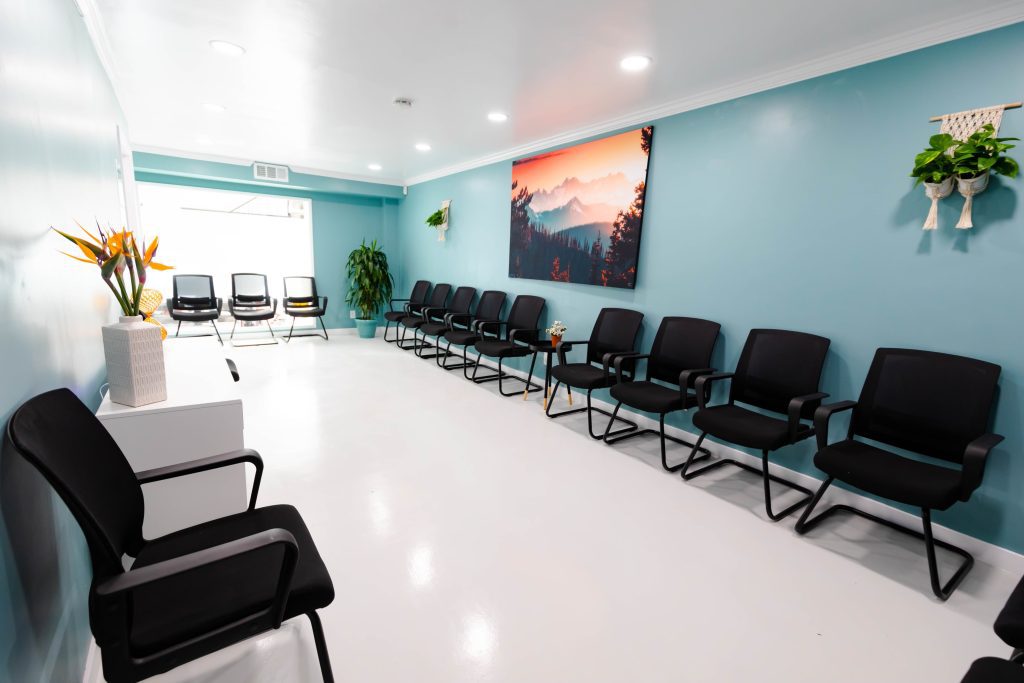
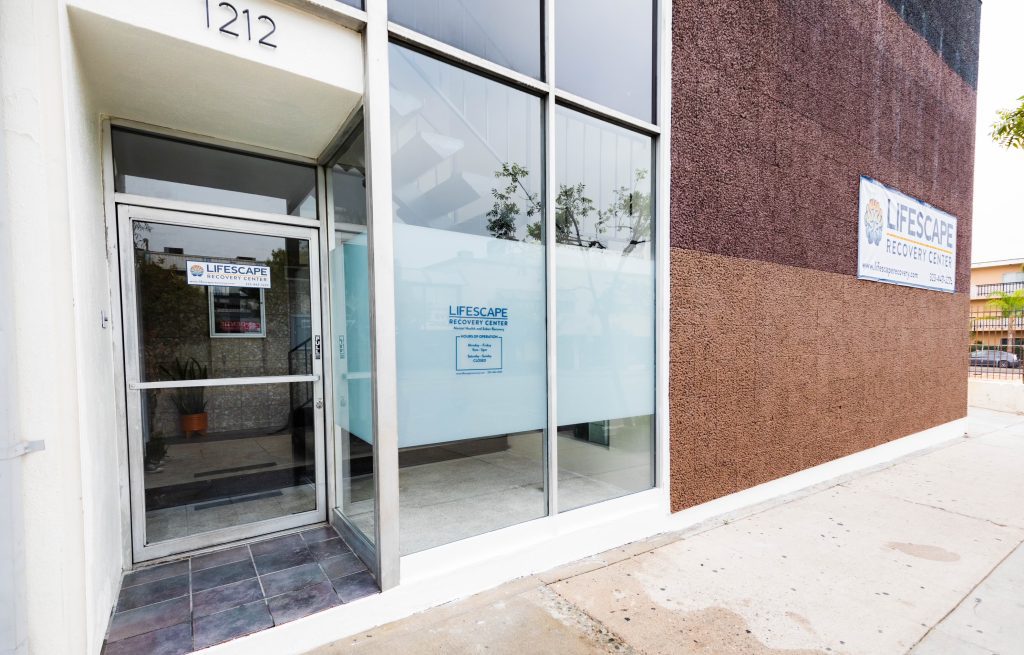
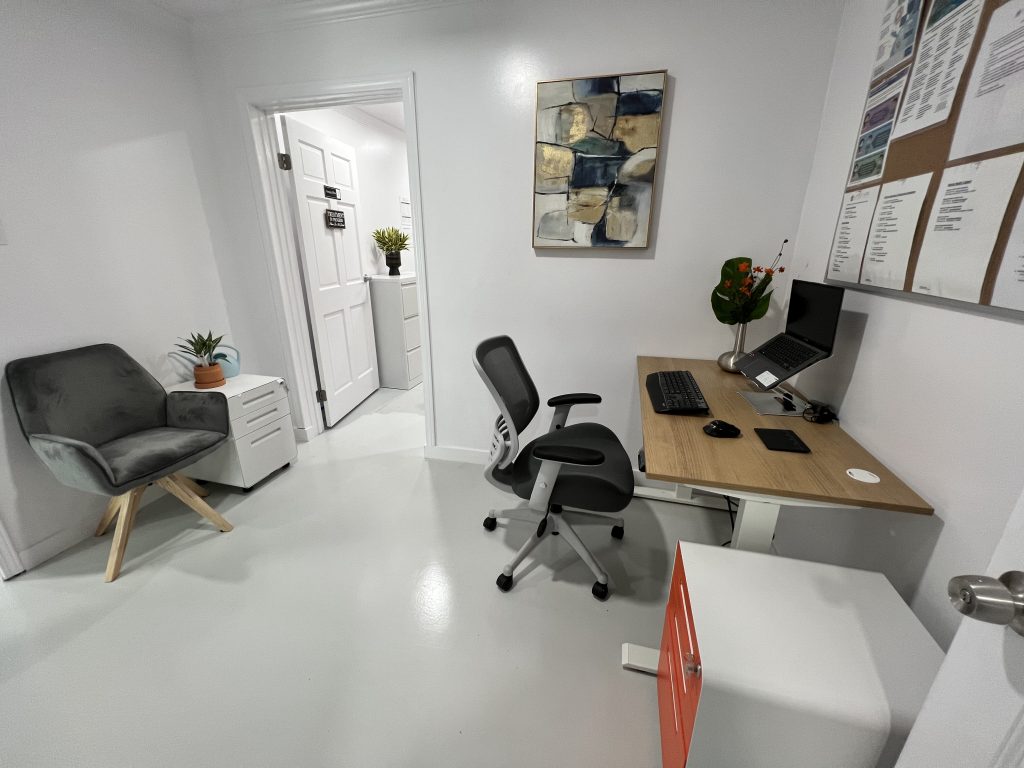
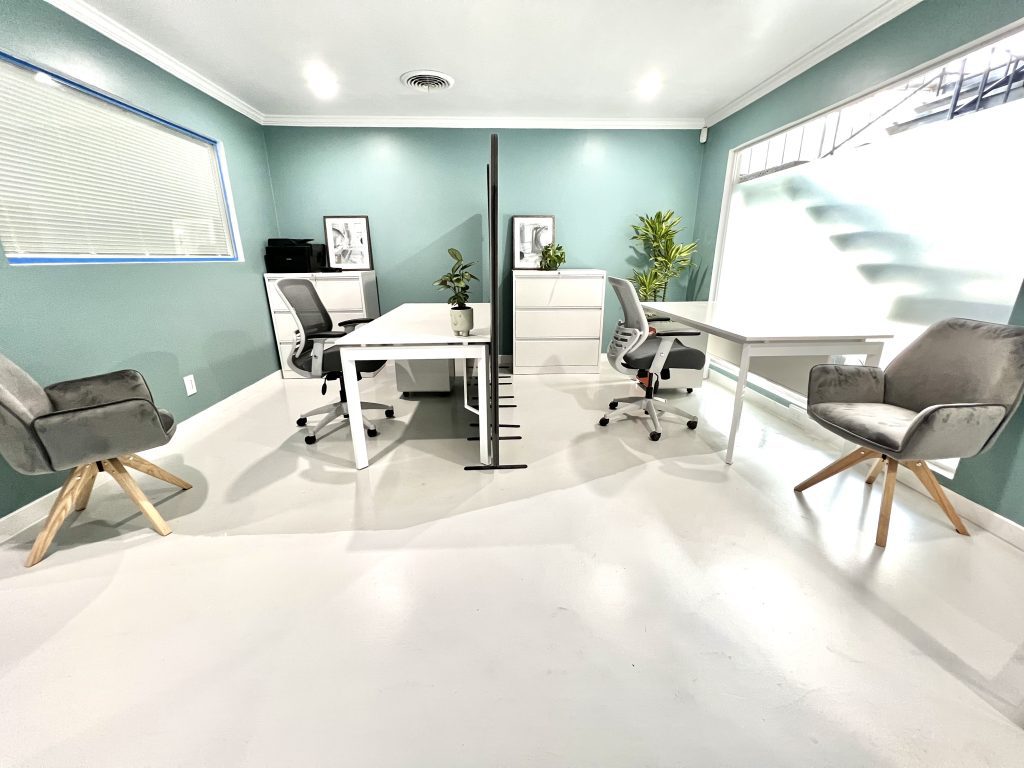
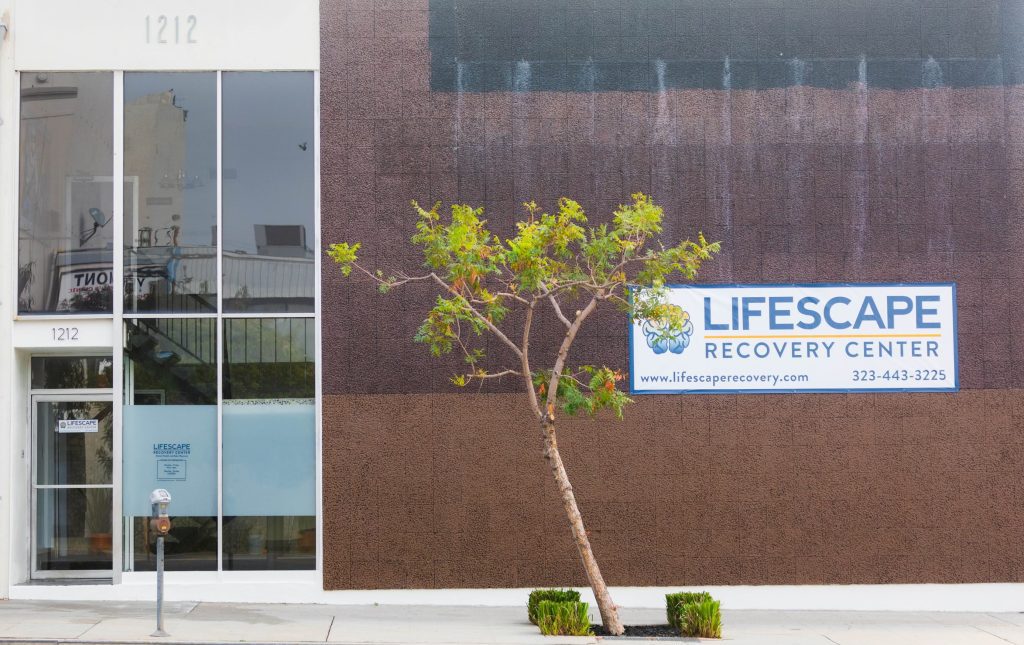
We are pleased to announce that we have opened a brand new outpatient mental health treatment center at 1212 North Vermont Ave, in Los Angeles, California. At Lifescape Recovery, our programs are designed to address mental health, addiction, and co-occurring disorders. Lifescape Recovery provides comprehensive partial hospitalization programs (PHP) & intensive outpatient programs (IOP).
Our mental health program is designed to treat depressive disorders, anxiety, dual diagnosis disorders, post-traumatic stress disorder (PTSD), personality disorders, mood disorders & complex trauma. . At Lifescape Recovery, we offer both types of services: In-person & Virtual Care (Telehealth) to better serve the needs of our patients in Los Angeles and across California.
Our addiction recovery program includes treatment of substance use disorders including alcohol, heroin, Xanax, prescription pills, methamphetamine, hallucinogenic, and cocaine, as well as sex and gambling addiction. Lifescape Recovery takes an individualized approach structuring treatment around four different modalities with the goal of creating a truly client-centered treatment plan, tailoring treatment to take the most effective path to restructure the patient’s neuro-pathways through DBT, ACT, CBT, and Motivational Interviewing.
At Lifescape Recovery, we provide services such as individual therapy, group therapy, telehealth, case monitoring, solution-focused brief therapy, behavioral therapies, acceptance & commitment therapy, medication management & psychodynamic therapy.
At Lifescape Recovery, we understand that every person who enters our intensive outpatient programs (IOP) or partial hospitalization program (PHP) is unique. Utilizing evidence-based practices as well as holistic services, our experienced clinicians provide a one-of-a-kind integrative experience tailored to meet everyone’s needs. At Life Scape Recovery we offer both types of services: In-person & Virtual Care (Telehealth) to better serve the needs of our patients in Los Angeles and across California.
You can call us at (323)443-3225 or visit it online at lifescaperecovery.com. We provide both in-person and virtual (telehealth) services and are available 24/7 via phone, email, live chat, or contact form submission. Last but not least, we accept nearly 100% of all private and commercial insurances. Contact us today for a free verification of benefits. You can also verify your benefits online – no obligation required. If you have private or corporate insurance coverage, your treatment at Lifescape recovery is most likely covered!
We do not accept Medicare/Medicaid. If you need FREE help please contact the National Helpline about mental and/or substance use disorders, prevention, treatment, and recovery in English and Spanish.

Published: October 21, 2021
Last Updated: July 22, 2024




Published: April 01, 2026
IOP for OCD in Los Angeles, California
Summary: An intensive outpatient program (IOP) for OCD provides structured, evidence-based treatment several hours per day, multiple days per week, specifically designed for individuals whose OCD symptoms are moderate to severe and have not responded adequately to weekly therapy alone. IOP delivers the frequency of Exposure and Response Prevention (ERP) practice that OCD treatment requires […]
Read more
Published: March 24, 2026
ERP Therapy for OCD: How Exposure and Response Prevention Works
Summary: Exposure and Response Prevention (ERP) is the most effective evidence-based psychotherapy for obsessive-compulsive disorder. Unlike general talk therapy or standard CBT, ERP specifically targets the obsession-compulsion cycle by systematically exposing patients to the thoughts, images, situations, or objects that trigger their obsessions while helping them resist performing the compulsive behavior or mental ritual that […]
Read more
Published: March 06, 2026
Pure O OCD: Symptoms, Mental Compulsions, and Treatment in Los Angeles
Summary: Pure O OCD (purely obsessional obsessive-compulsive disorder) is a widely used term describing a presentation of OCD in which compulsions are primarily internal (mental rituals, rumination, reassurance-seeking, mental reviewing) rather than visible physical behaviors like hand-washing or checking. Despite the name, Pure O is not truly “purely obsessional.” Research consistently shows that individuals with […]
Read more