



Is Broken Heart Syndrome Real? The Link Between Emotional Pain, Physical Health & Addiction
Emotional distress can have profound physical effects on the body, a phenomenon well-recognized in psychosomatic medicine. One condition that captures the intricate relationship between emotional and physical health is ‘broken heart syndrome,’ a term coined to reflect the significant impact of severe stress or emotional turmoil on heart health. Beyond the physical consequences, emotional distress can often lead to addiction as individuals turn to substances as a coping mechanism. This article explores the reality of broken heart syndrome, its connection to emotional pain and physical health, and its relationship with addiction, underscoring the integrated care provided at Lifescape Recovery.

Understanding Broken Heart Syndrome
Is Broken Heart Syndrome Real?
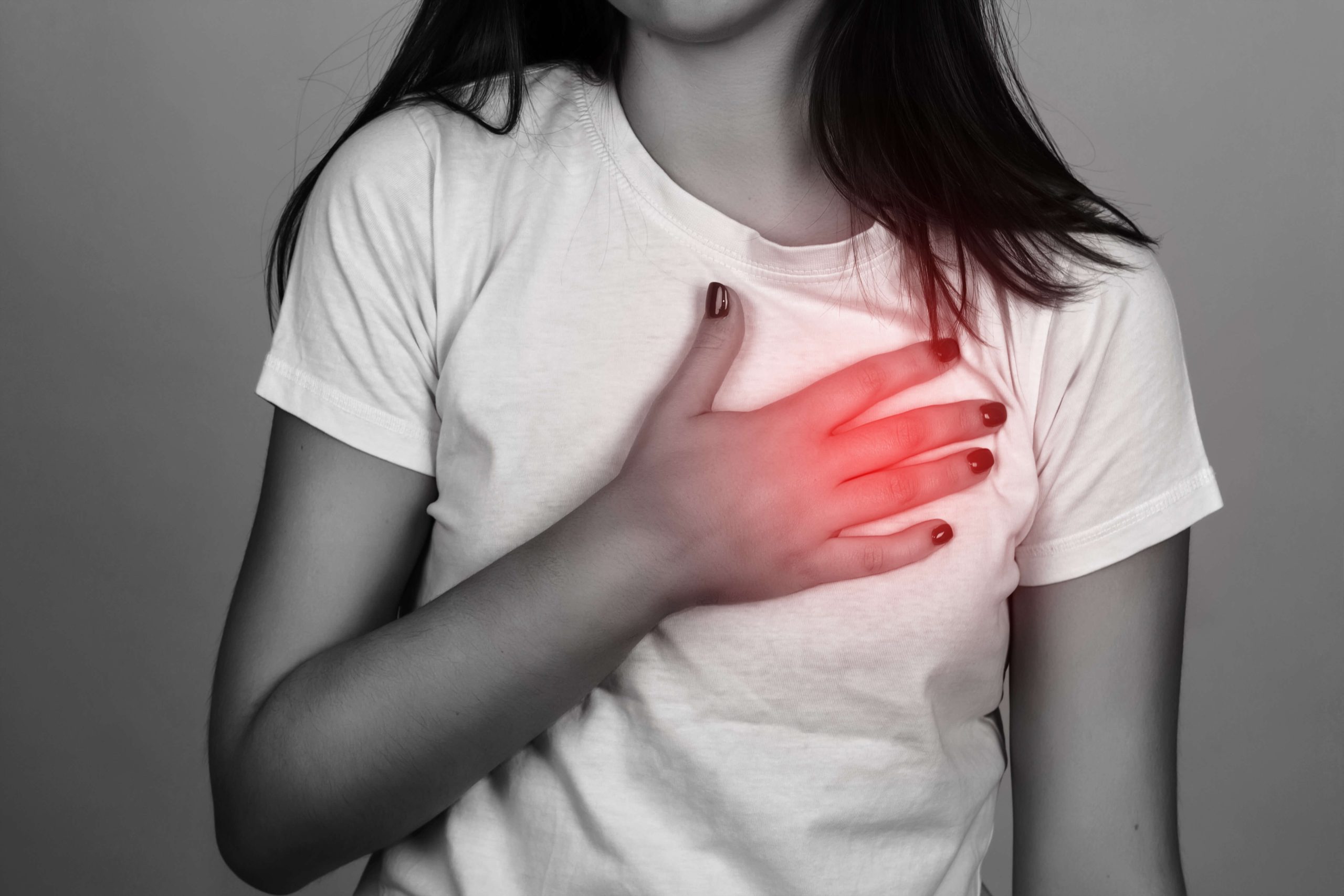
Broken heart syndrome, medically known as Takotsubo Cardiomyopathy, is a real and serious condition triggered by intense emotional or physical stress. The symptoms mirror those of a heart attack, including chest pain and shortness of breath, but unlike a heart attack, it doesn’t involve blocked heart arteries. Instead, a part of the heart temporarily enlarges and doesn’t pump well, while the rest of the heart functions normally or even with more forceful contractions.
The Link Between Emotional Pain and Physical Health
Emotional pain can lead to various physical health problems, with broken heart syndrome being a dramatic example. Intense emotions, such as the grief of losing a loved one, extreme fear, or acute stress, can cause significant physiological changes. These changes affect the heart, leading to symptoms that mimic those of a heart attack. Understanding this connection is vital in acknowledging the profound impact emotional pain can have on physical wellbeing and the importance of seeking help when dealing with emotional distress.
Emotional Pain, Broken Heart Syndrome, and Addiction
The relationship between emotional pain, broken heart syndrome, and addiction is more intertwined than one might expect. People experiencing emotional distress may resort to substance use as a coping mechanism. The temporary relief substances provide can quickly lead to dependence and, eventually, addiction, creating an additional layer of challenges to an individual’s health and wellbeing.

At Lifescape Recovery, the approach to treatment recognizes the complex relationship between emotional pain, physical health, and addiction. Their team of professionals understands that the physical symptoms of conditions like broken heart syndrome often have emotional roots and that managing these symptoms requires addressing underlying emotional issues. Equally, they acknowledge that substance use is often a coping strategy for emotional distress and needs to be treated concurrently.
Published: May 30, 2023
Last Updated: June 01, 2023




Published: May 05, 2026
Dual Diagnosis IOP in Los Angeles: Treating Addiction and Mental Health Together
Summary: Dual diagnosis refers to the co-occurrence of a substance use disorder and at least one mental health condition. According to the National Institute on Drug Abuse, approximately half of individuals with a substance use disorder also experience a co-occurring mental health condition, including depression, anxiety, PTSD, bipolar disorder, and personality disorders. Treating addiction without […]
Read more
Published: April 28, 2026
Bipolar Disorder Treatment in Los Angeles: IOP and PHP Programs
Summary: Bipolar disorder affects approximately 4.4% of U.S. adults at some point in their lives, according to the National Institute of Mental Health. It is one of the most complex mood disorders to treat because it involves cycling between depressive episodes, manic or hypomanic episodes, and mixed episodes, each requiring different therapeutic and pharmacological approaches. […]
Read more
Published: April 01, 2026
IOP for OCD in Los Angeles, California
Summary: An intensive outpatient program (IOP) for OCD provides structured, evidence-based treatment several hours per day, multiple days per week, specifically designed for individuals whose OCD symptoms are moderate to severe and have not responded adequately to weekly therapy alone. IOP delivers the frequency of Exposure and Response Prevention (ERP) practice that OCD treatment requires […]
Read more