



Why Do We Fear Therapy?
In a world where mental well-being is increasingly valued, the fear of therapy often acts as a barrier for individuals seeking help. At Lifescape Recovery, we recognize the importance of understanding and addressing this fear to pave the way for profound transformations. Join us as we delve into the reasons behind the apprehension surrounding therapy and explore the healing potential that awaits those who dare to take that courageous step toward self-discovery and emotional well-being.

Breaking Down the Stigma
Despite strides in mental health advocacy, therapy remains clouded by societal stigmas. Many still view seeking professional help as a sign of weakness or failure, perpetuating the misconception that therapy is only for those in dire crisis. This stigma fosters feelings of shame and inadequacy, deterring individuals from seeking the support they desperately need. By challenging these stigmas and reframing therapy as a proactive step towards self-care and personal development, we aim to dismantle barriers and promote a culture of acceptance and support.
Confronting the Fear of Judgment
One of the most pervasive fears individuals face when considering therapy is the fear of judgment from others. Concerns about how friends, family, or colleagues may perceive their decision to seek therapy can be paralyzing. Many worry about being labeled as “crazy” or “weak” for admitting they need help. It’s crucial to recognize that seeking therapy is an act of courage and self-awareness, not a reflection of weakness. By fostering open conversations and normalizing discussions around mental health, we can combat judgment and create a more inclusive and understanding community.
Navigating the Fear of Opening Up
Therapy involves vulnerability—opening up and sharing deeply personal thoughts and emotions with a therapist. This prospect can be daunting, especially for those who have learned to keep their struggles hidden. The fear of being judged, misunderstood, or invalidated can prevent individuals from fully engaging in the therapeutic process. However, therapy provides a safe, non-judgmental space where individuals can explore their innermost thoughts and feelings with support and guidance. It’s a place where authenticity is celebrated, and healing begins by embracing vulnerability.
Understanding Therapy Options
Fear of Change and Personal Growth: Therapy often catalyzes personal growth and change, which can be intimidating. However, it’s essential to recognize that change is a natural part of life’s journey. Therapy empowers individuals to embrace change, develop resilience, and cultivate a deeper understanding of themselves. Therapy encompasses a wide range of modalities tailored to meet the diverse needs of individuals. From cognitive-behavioral therapy (CBT) to dialectical behavior therapy (DBT) and psychodynamic therapy, there are numerous approaches available to address various mental health concerns. Understanding these modalities and finding the right fit is crucial for a successful therapeutic journey. At Lifescape Recovery, our experienced therapists work closely with individuals to develop personalized treatment plans that align with their unique goals and preferences.
Dispelling the Fear of the Unknown
One of the most significant fears individuals face when considering therapy is the fear of change. Therapy often leads to personal growth and transformation, which can be both exhilarating and terrifying. Individuals may worry about how therapy-induced changes will impact their lives and relationships, leading to feelings of uncertainty and apprehension. However, therapy equips individuals with the tools and insights needed to navigate life’s challenges with resilience and clarity. It’s a journey towards self-discovery and empowerment, where change is embraced as an opportunity for growth rather than something to be feared.
Embracing the Healing Journey
Despite these fears, embracing therapy is achievable with the right support and encouragement. Recognizing the importance of mental health and self-care is the first step towards overcoming fear. Seeking guidance from trusted friends, family members, or mental health professionals can provide reassurance and validation. At Lifescape Recovery, we strive to create a supportive and nurturing environment where individuals can feel safe to explore their emotions, confront their fears, and embark on a journey of healing and self-discovery. Don’t let fear hold you back from experiencing the profound healing potential of therapy. Take that courageous step towards a brighter, more fulfilling life today.
Intensive Outpatient Program (IOP)
Our IOP offers a flexible treatment option for individuals who require more support than traditional outpatient therapy but do not need 24-hour care. Participants attend therapy sessions several times a week, typically in the evenings or on weekends, allowing them to continue working, attending school, or fulfilling family obligations during the day. The program includes individual therapy, group therapy, psychoeducation, and experiential therapies tailored to address each individual’s unique needs and goals.
Partial Hospitalization Program (PHP)
Our PHP provides a higher level of care for individuals who require more intensive support than an outpatient program but do not need round-the-clock supervision. Participants attend treatment sessions during the day, usually from morning until late afternoon, and return home in the evenings. The program offers a comprehensive range of therapeutic services, including individual and group therapy, medication management, psychiatric support, and holistic interventions such as yoga, mindfulness, and art therapy.
Both IOP and PHP at Lifescape Recovery offer a supportive and nurturing environment where individuals can explore their emotions, learn coping skills, and develop strategies for long-term recovery. Our experienced and compassionate treatment team is dedicated to guiding each individual through their healing journey, empowering them to overcome their fears and embrace the transformative power of therapy.

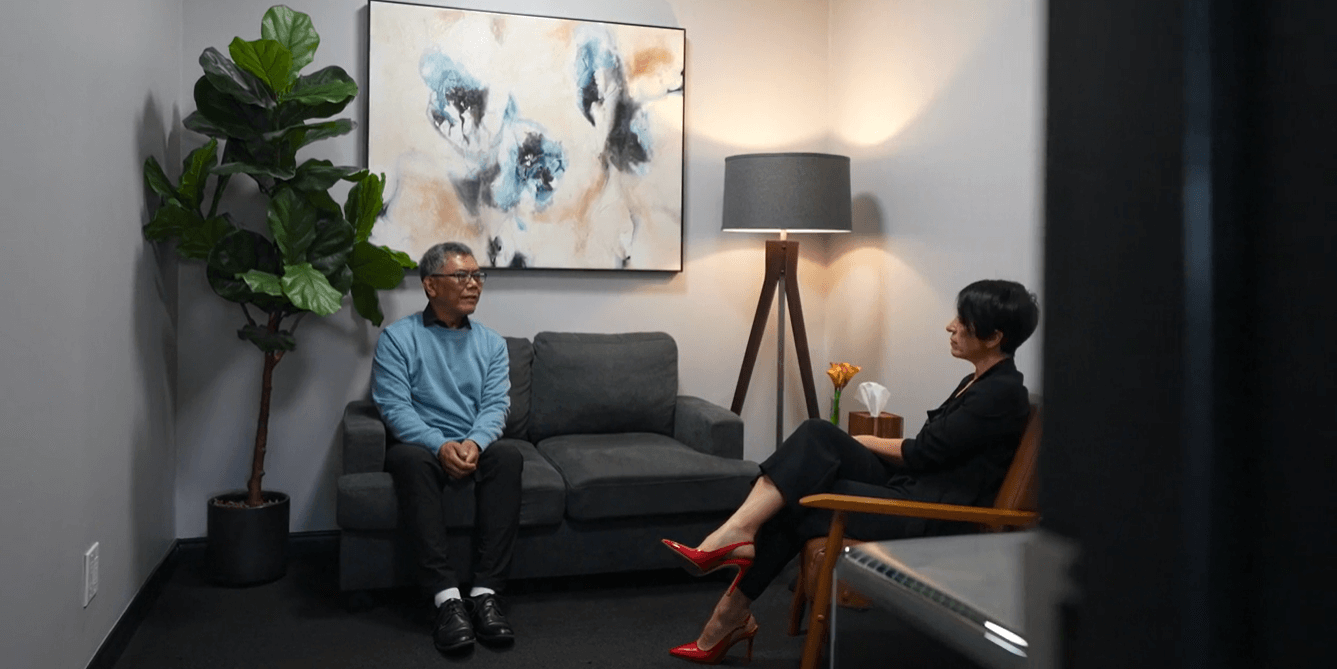
Therapy is not to be feared; it is a pathway to healing, growth, and self-discovery. At Lifescape Recovery, we stand ready to support individuals on their journey toward emotional well-being. We encourage you to take that courageous step toward a brighter, more fulfilling life. Your mental health matters, and we’re here to walk alongside you every step of the way. Don’t let fear hold you back; embrace the healing potential of therapy at Lifescape Recovery.
Published: March 22, 2024
Last Updated: June 02, 2025




Published: May 05, 2026
Dual Diagnosis IOP in Los Angeles: Treating Addiction and Mental Health Together
Summary: Dual diagnosis refers to the co-occurrence of a substance use disorder and at least one mental health condition. According to the National Institute on Drug Abuse, approximately half of individuals with a substance use disorder also experience a co-occurring mental health condition, including depression, anxiety, PTSD, bipolar disorder, and personality disorders. Treating addiction without […]
Read more
Published: April 28, 2026
Bipolar Disorder Treatment in Los Angeles: IOP and PHP Programs
Summary: Bipolar disorder affects approximately 4.4% of U.S. adults at some point in their lives, according to the National Institute of Mental Health. It is one of the most complex mood disorders to treat because it involves cycling between depressive episodes, manic or hypomanic episodes, and mixed episodes, each requiring different therapeutic and pharmacological approaches. […]
Read more
Published: April 01, 2026
IOP for OCD in Los Angeles, California
Summary: An intensive outpatient program (IOP) for OCD provides structured, evidence-based treatment several hours per day, multiple days per week, specifically designed for individuals whose OCD symptoms are moderate to severe and have not responded adequately to weekly therapy alone. IOP delivers the frequency of Exposure and Response Prevention (ERP) practice that OCD treatment requires […]
Read more