


What Does 420 Friendly Mean?
The term “420 friendly” is gradually becoming a common phrase in contemporary society. It frequently appears in social media updates, online profiles, and many other digital contexts. While the term might appear clear to some, it is crucial to delve into its actual definition and cultural relevance. This article aims to demystify the meaning behind “420 friendly” and shed light on its various implications. Join us as we unpack the nuances of “420 friendly” and its correlation to the acceptance and openness towards marijuana use.
Tracing the Roots
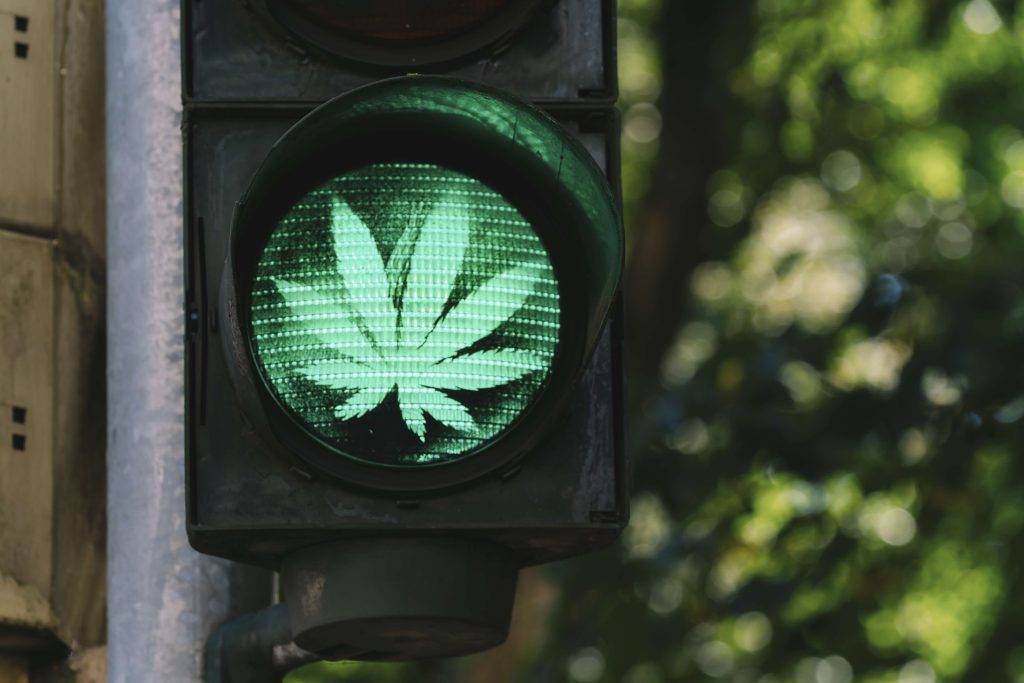
Understanding the term “420 friendly,” necessitates an exploration into the origin of the number “420.” Contrary to common misinterpretations, it does not refer to any law enforcement code or a fanciful tale concerning marijuana. Instead, its roots can be traced back to a group of high school students from San Rafael, California, in the early 1970s. These students dubbed the “Waldos,” would meet at 4:20 p.m. post-school to search for a rumored abandoned cannabis crop in the vicinity.
Their quest was unsuccessful, yet the term “420” became their clandestine code for marijuana use. The phrase, with time, spread amongst their peers and beyond, ultimately symbolizing cannabis culture on a broader scale. The relevance of 420 has now moved beyond its initial context and signifies a common understanding among cannabis enthusiasts.
Interpreting “420 Friendly”
Being “420 friendly” suggests acceptance and an inclination to engage in activities associated with cannabis. It’s an invitation for those who share similar perspectives to come together and indulge in the experience of marijuana, be it for recreational or medicinal uses. This phrase creates an atmosphere of understanding, dispelling judgment, and allowing individuals to express their true selves without fear of stigma.
For those who identify themselves as “420 friendly,” it serves as an effective shorthand to express their affinity for cannabis. It aids in finding companionship and forming connections with those who have similar lifestyles or value systems. Moreover, this phrase encourages open conversations about cannabis use, fostering a sense of community among enthusiasts.
Deconstructing the Implications and Misconceptions of “420 Friendly”
Despite the growing acceptance of cannabis use in many parts of the world, the term “420 friendly” can still give rise to some misconceptions. Some people may incorrectly interpret it as an expression of constant or excessive drug use, which is not necessarily true. The phrase acknowledges comfort with cannabis, but it does not indicate a commitment to continual or excessive use.
Promoting Sobriety and Health at Lifescape Recovery
At Lifescape Recovery, our main objective revolves around fostering sobriety, holistic healing, and mental wellness. Even though marijuana is legal in California and dispensaries are available for those of legal age, Lifescape Recovery adheres to a non-cannabis-friendly policy within our facility. We understand that cannabis can trigger addiction and may aggravate symptoms of co-occurring disorders. As such, we prioritize the safety and well-being of our clients by ensuring a substance-free environment.
Valuing Individual Recovery Paths
Even as Lifescape Recovery upholds a non-cannabis-friendly environment, we acknowledge that every individual’s recovery journey is unique. We respect diverse viewpoints surrounding marijuana use and recognize the ongoing discussions about its legalization and medicinal benefits. It’s worth highlighting once again that marijuana is legal in California, where Lifescape Recovery is based. This means that residents can search by city or county to identify which jurisdictions permit cannabis businesses and where consumers can safely access legal and tested cannabis products.

As we decode “420 friendly,” it is vital to grasp its cultural implications and meanings while maintaining our commitment to promoting sobriety and wellness at Lifescape Recovery. The term symbolizes acceptance and openness towards marijuana use, but within our facility, we prioritize client safety and well-being by adhering to a non-cannabis-friendly policy. Through evidence-based treatment methods, personalized care plans, and a supportive community, we enable individuals to overcome addiction and co-occurring disorders, guiding them toward lasting recovery and a healthier, more fulfilling life.
Published: July 04, 2023
Last Updated: November 07, 2023




Published: May 05, 2026
Dual Diagnosis IOP in Los Angeles: Treating Addiction and Mental Health Together
Summary: Dual diagnosis refers to the co-occurrence of a substance use disorder and at least one mental health condition. According to the National Institute on Drug Abuse, approximately half of individuals with a substance use disorder also experience a co-occurring mental health condition, including depression, anxiety, PTSD, bipolar disorder, and personality disorders. Treating addiction without […]
Read more
Published: April 28, 2026
Bipolar Disorder Treatment in Los Angeles: IOP and PHP Programs
Summary: Bipolar disorder affects approximately 4.4% of U.S. adults at some point in their lives, according to the National Institute of Mental Health. It is one of the most complex mood disorders to treat because it involves cycling between depressive episodes, manic or hypomanic episodes, and mixed episodes, each requiring different therapeutic and pharmacological approaches. […]
Read more
Published: April 01, 2026
IOP for OCD in Los Angeles, California
Summary: An intensive outpatient program (IOP) for OCD provides structured, evidence-based treatment several hours per day, multiple days per week, specifically designed for individuals whose OCD symptoms are moderate to severe and have not responded adequately to weekly therapy alone. IOP delivers the frequency of Exposure and Response Prevention (ERP) practice that OCD treatment requires […]
Read more